



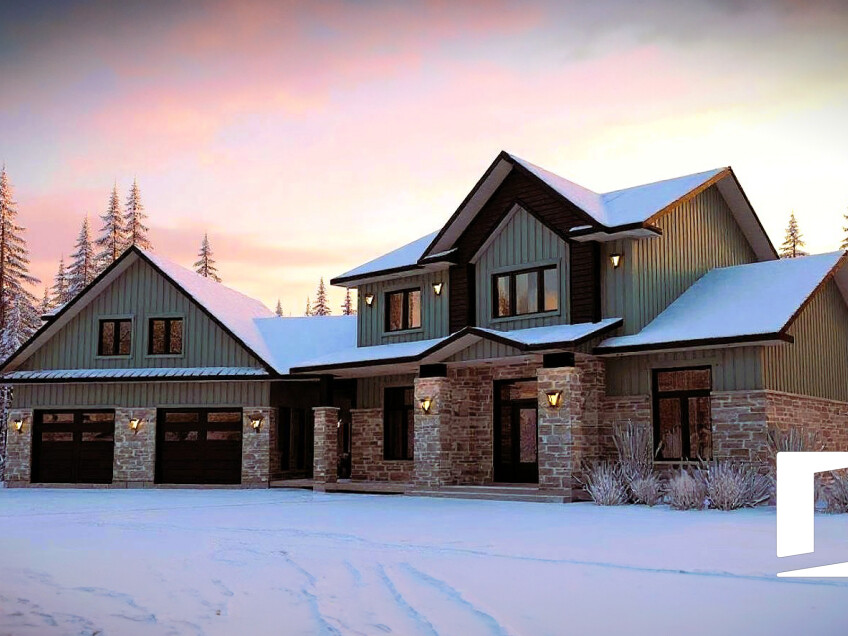
Winter weather can put many parts of a home to the test. Cold temperatures, snow, ice and temperature fluctuations can reveal problems that may easily go unnoticed during the warmer months.
A little preparation can help you identify potential issues before the first major cold spells. Your roof, gutters, foundation, doors and windows, plumbing, heating system and ventilation are all worth checking before winter arrives.
Here are 15 essential checks to make before winter to help protect your home and reduce the risk of unpleasant surprises during the colder months.
Preparing Your Home for Winter at a Glance
Before the first snowfall, focus on your roof and gutters, foundation, drainage, doors and windows, exterior plumbing, heating system and ventilation.
This is also a good time to look for air or water infiltration, clear exterior vents and make sure your mechanical equipment is ready for the colder season.
1. Inspect the Roof Before the First Snowfall
Start by checking the overall condition of your roof. Look for damaged or missing shingles, displaced materials and any visible signs that could indicate water infiltration.
Inspecting the roof before it becomes covered with snow makes potential problems easier to spot and address.
During winter, continue to watch for unusual accumulations of snow or ice and any changes inside the home that could indicate a problem.
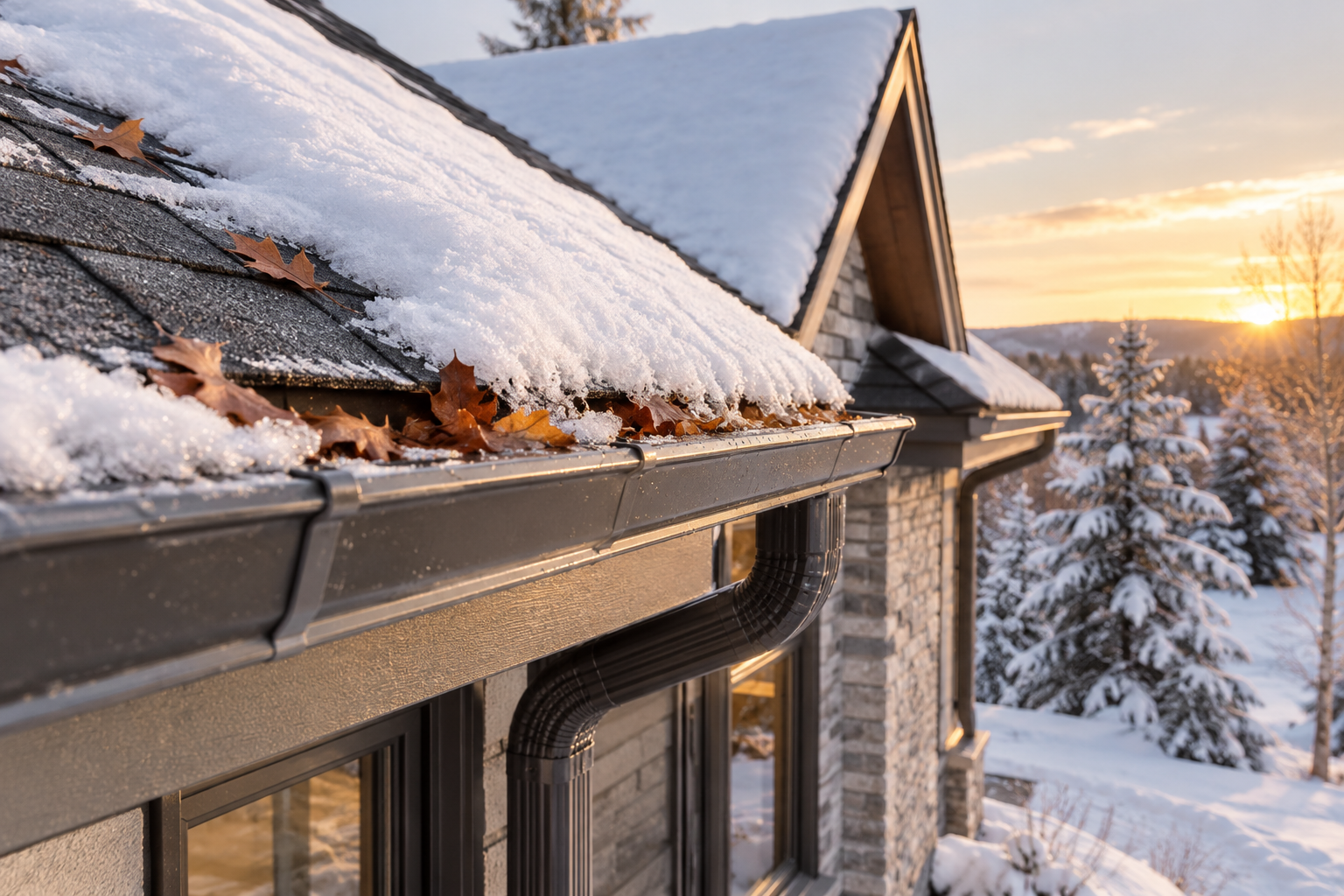
2. Clean the Gutters and Check Water Drainage
Leaves and other debris can prevent water from flowing properly through the gutters.
Before freezing temperatures arrive, remove accumulated debris and make sure downspouts direct water away from the house. Window wells should also remain clear to allow proper drainage.
3. Examine the Foundation
Walk around your home and look for visible foundation cracks or signs of water infiltration.
A crack does not necessarily indicate a serious problem. However, a new or changing crack, or one that allows water to enter, deserves attention and may require professional evaluation.
4. Check Doors and Windows for Air Leaks
Damaged caulking or worn weatherstripping can allow cold air to enter and reduce comfort around doors and windows.
Inspect exterior openings for cracked, loose or missing seals. Check weatherstripping and replace components that no longer provide an effective seal.
If you regularly notice condensation, significant drafts or moisture around an opening, look for the underlying cause rather than simply covering up the problem.
5. Inspect the Exterior Siding
Take a walk around the house and inspect the exterior siding. Look for damaged, loose or displaced sections and unusual gaps around windows, doors and other openings.
Exterior cladding helps protect the components behind it from the elements, so damaged areas should be addressed before winter.
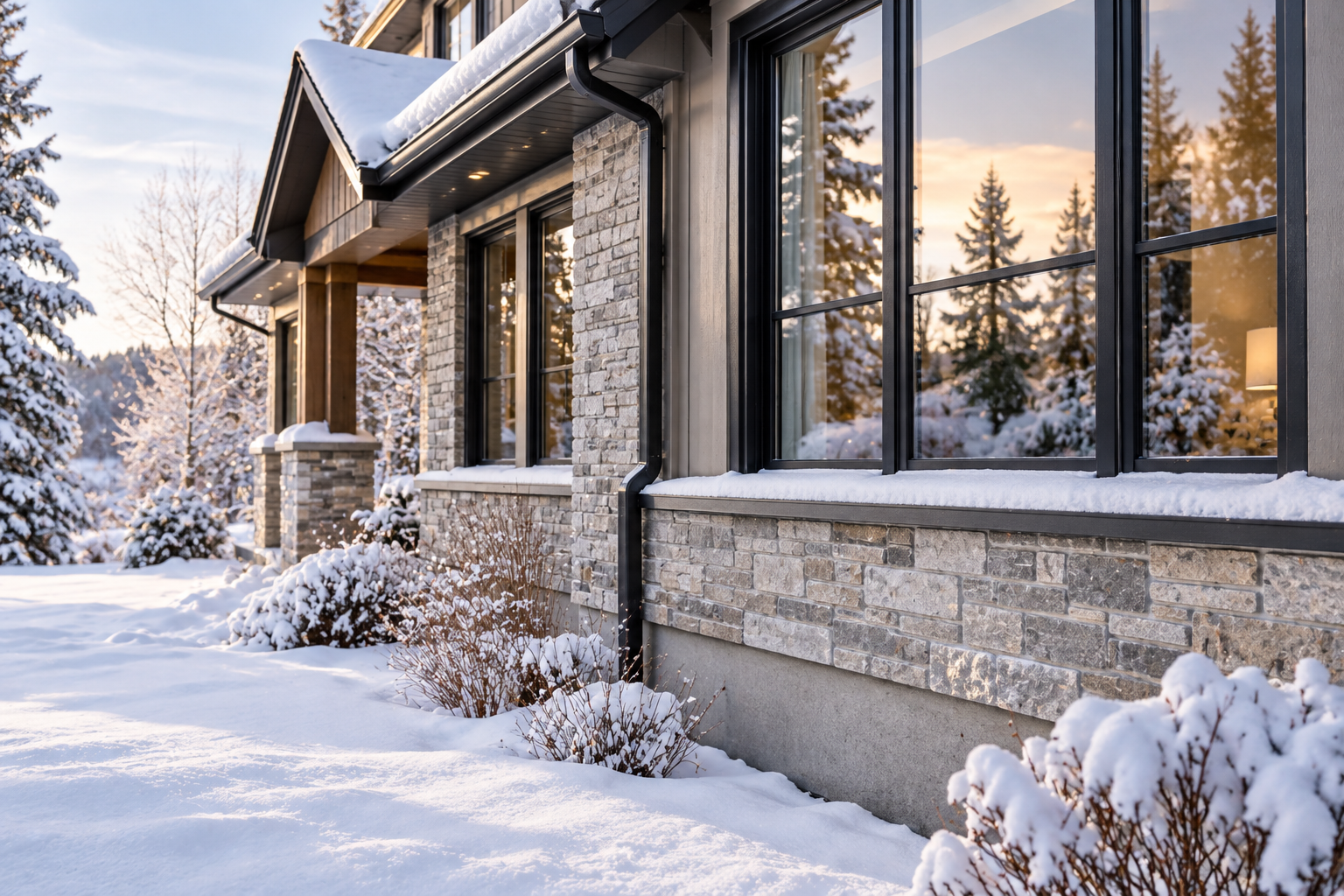
6. Disconnect Outdoor Hoses and Prepare Exterior Faucets
Before freezing temperatures arrive, disconnect, drain and store garden hoses.
Depending on your plumbing system, you may also need to shut off the water supply to exterior faucets and drain pipes exposed to freezing temperatures.
7. Identify Pipes at Risk of Freezing
Some pipes are more vulnerable to freezing, particularly those located near exterior walls, in crawl spaces, garages or other poorly heated areas.
Identify these areas before winter and make sure the plumbing is adequately protected.
It is also a good idea to locate your home’s main water shutoff valve and make sure household members know where it is.
8. Prepare Your Heating System
It is much better to discover a heating problem in the fall than during a winter cold snap.
Before winter, check that your system is operating properly and complete the maintenance recommended for your equipment. With a central system, this may include cleaning vents and replacing or cleaning filters.
If professional maintenance is required periodically, fall is a good time to schedule it.
9. Prepare Your Heat Pump for Winter
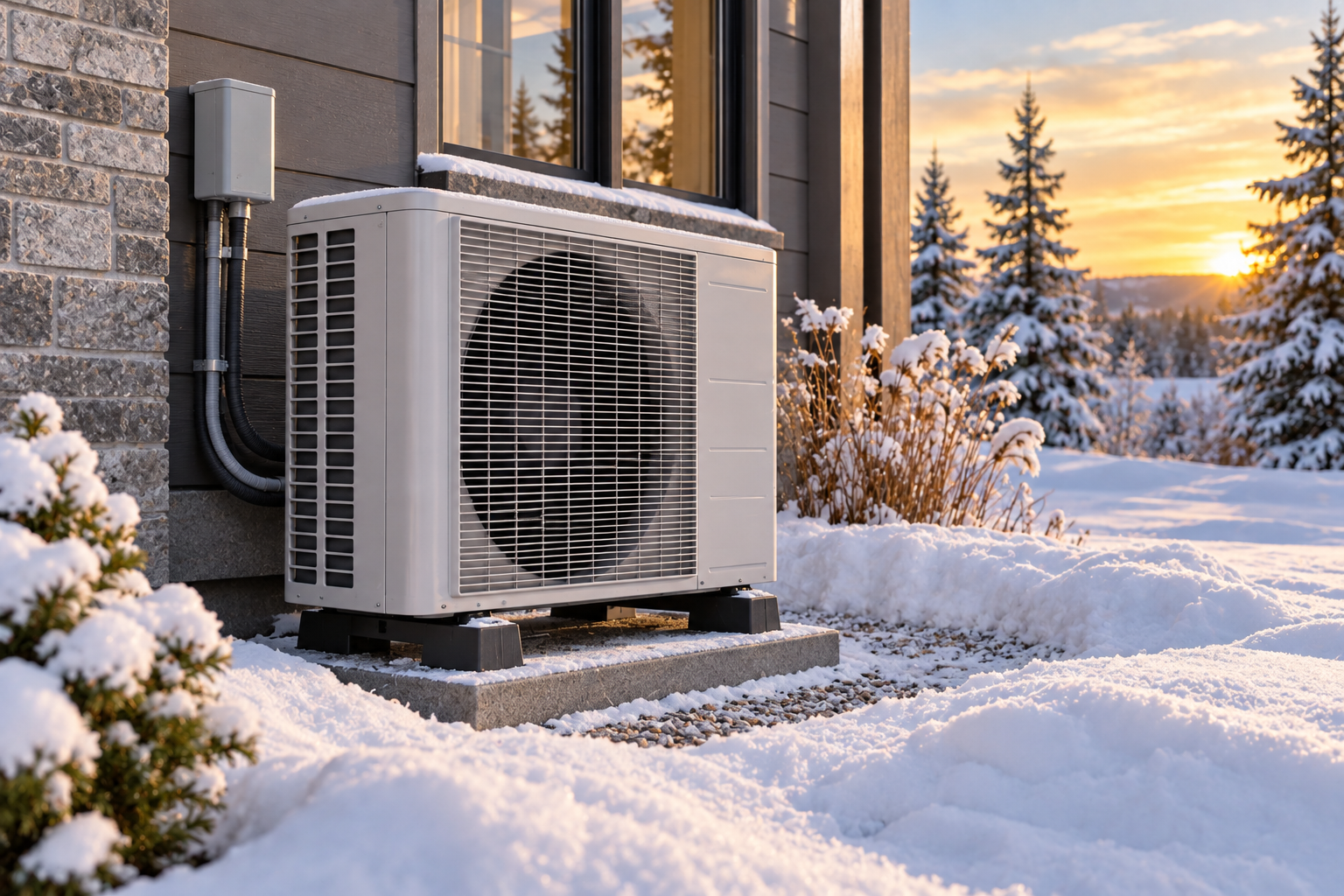
A heat pump can continue heating a home throughout much of the winter, although performance varies according to the model and outdoor temperature.
Before winter, clean or check the filters and make sure the outdoor unit is clear. During winter, prevent snow, ice or other obstructions from restricting airflow around the unit.
Always follow the manufacturer’s recommendations for operating and maintaining your particular heat pump.
10. Check the Air Exchanger and Exterior Vents
Ventilation becomes especially important when doors and windows remain closed for several months.
Clean or replace the filters in your air exchanger or heat recovery ventilator (HRV) according to the manufacturer’s recommendations. Check exterior air intakes and exhaust vents as well.
During winter, keep them free of snow and ice. This includes vents for the air exchanger, dryer, range hood and bathroom fans.
11. Check Smoke and Carbon Monoxide Alarms
The beginning of heating season is a good reminder to check your home’s smoke and carbon monoxide alarms.
Test them and replace batteries or units when necessary, according to manufacturer recommendations and applicable requirements.
This is particularly important in homes with combustion appliances, fireplaces or attached garages.
12. Prepare the Garage for Cold Weather
Make sure the garage door closes completely and inspect its weatherstripping.
Clear access areas and organize the items you will need during winter. Products that are sensitive to freezing temperatures should be stored according to manufacturer instructions.
If your garage is attached to the house, also inspect the door separating the two spaces.
13. Check Decks, Stairs and Exterior Access Areas
Before snow covers them, inspect steps, railings, handrails, balconies and decks.
A loose step or railing becomes much more problematic when covered with snow or ice.
Make sure entrances and emergency exits can remain accessible throughout winter.
14. Inspect the Basement or Crawl Space
The basement can reveal certain problems before they become noticeable elsewhere in the home.
Look for signs of moisture or water infiltration, particularly near the foundation and openings. If your home has a sump pump, check that it is operating properly.
In a crawl space, pay particular attention to pipes that could freeze and signs of unusual moisture.
15. Get Ready for the First Heavy Snowfalls
Winter preparation does not end with the first snowfall. Continue watching areas where snow and ice could interfere with your home’s operation.
Keep heat pumps, air intakes, exhaust vents and important access points clear. Watch for unusual accumulations of snow or ice on the roof.
For roof snow removal or any work involving a risk of falling or damaging the building, consider hiring a professional.
Winter Home Preparation Checklist
Before the first major cold spell, use this checklist for one final inspection:
☐ Inspect the roof for damaged materials
☐ Clean the gutters and check water drainage
☐ Examine the foundation for cracks or water infiltration
☐ Check caulking and weatherstripping around doors and windows
☐ Inspect exterior siding
☐ Disconnect garden hoses and prepare exterior faucets
☐ Identify pipes that could freeze
☐ Check the heating system and filters
☐ Clean heat pump filters and keep the outdoor unit clear
☐ Check the air exchanger, filters and exterior vents
☐ Test smoke and carbon monoxide alarms
☐ Check the garage door and weatherstripping
☐ Inspect stairs, railings, balconies and exterior access areas
☐ Check the basement or crawl space for moisture and infiltration
☐ Plan for snow removal and keep vents and exterior equipment accessible
Tip: You don’t have to wait for freezing temperatures. Many of these checks are easier to complete in early fall, before snow and ice arrive.
A Well-Prepared Home for a More Comfortable Winter
Preparing your home for winter does not necessarily require major work. A careful fall inspection can help identify small problems before cold temperatures, snow and ice make them worse.
The roof, foundation, openings, plumbing, heating and ventilation systems deserve particular attention. A few preventive checks can help protect the building, maintain comfort and reduce the risk of unexpected problems during winter.
Have you discovered an area of your home that requires more extensive work? Drummond House Plans’ residential design professionals can help develop the plans required for your renovation or home addition project.