

Costs, Benefits, Lot Restrictions, and Quality of Life: What to Consider Before Making Your Decision
You love your neighborhood, but your home no longer meets all your needs. Perhaps you dream of a larger kitchen, a primary suite, or a more functional layout. So, should you renovate your existing home or build a new house?
At first glance, building a new home offers greater flexibility. You can choose a floor plan that suits your lifestyle and personalize each space. However, finding the right lot can be challenging, especially in desirable neighborhoods.
On the other hand, renovating allows you to stay in a familiar environment. It can also completely transform your existing home. Still, architectural and structural limitations may affect what’s possible.
The right decision involves more than your budget. Location, neighbors, schools, and nearby amenities also matter. You should also consider daily commuting times and your home’s renovation potential.
In this guide, we’ll compare the benefits and challenges of both options. We’ll also explore costs, lot restrictions, and home addition possibilities.
Our goal? To help you make an informed decision based on your home, your needs, and your quality of life.
Build or Renovate: What Questions Should You Ask Before Deciding?
Before comparing quotes or searching for a building lot, take time to evaluate your current situation.
What no longer works in your home? Do you need more space? Would you like to update certain rooms? Does your home have major issues, or are you simply ready for a change?
These distinctions matter. A poorly designed kitchen, an unused basement, or insufficient storage can sometimes be improved. However, major structural changes may make a renovation more complicated.
Your location also deserves consideration. Do you want to stay in your neighborhood and maintain your daily routines?
Finally, think about what you truly want from your future home. Are you looking for a different architectural style, more natural light, or a layout better suited to your lifestyle?
By answering these questions, you can better assess your home’s renovation potential. You’ll also know whether building a new home is worth serious consideration.
Renovating Your Home: Benefits and Limitations
Renovating allows you to transform your home without necessarily changing your lifestyle or surroundings. It’s an appealing option when you love your location, but certain spaces no longer meet your needs.
However, not every renovation project involves the same level of complexity. Before starting, it’s important to assess your home’s potential and the investment required.
The Benefits of Renovating Your Home
Keeping your home and familiar surroundings is a major advantage. This continuity can make the transition to a more functional living space easier.
Furthermore, a well-planned renovation can significantly improve everyday comfort. Redesigning the kitchen, opening up living areas, or updating bathrooms can completely transform a home’s atmosphere.
Reusing parts of the existing structure may also reduce the amount of new construction required. However, potential savings depend on the property’s condition and the project’s scope.
Additionally, some renovations can be completed in stages. This approach may make budgeting easier, depending on the type of work involved.
Finally, renovating can eliminate the need to purchase land or move to another property. Nevertheless, it’s important to prepare for the challenges of living through construction.
The Limitations and Challenges of Home Renovations
Even with careful planning, an existing home comes with certain limitations. Load-bearing walls, foundations, and mechanical systems can restrict potential changes. Moreover, renovations may uncover problems that weren’t visible beforehand. Structural damage, water infiltration, or outdated systems can lead to unexpected expenses.
Major renovations can also become expensive, particularly when several structural components need modification. In these situations, comparing renovation costs with new construction becomes essential. Additionally, some projects require building permits or special municipal approvals. Local zoning regulations may also restrict additions or exterior modifications.
Finally, remaining in your home during construction isn’t always possible. Depending on the project’s scope, temporary accommodations may be necessary.
When Does Renovating Make Sense?
Renovating is worth considering when your home’s structure is sound and its location still meets your needs. It can also be an excellent choice when targeted improvements make existing rooms more functional. A home addition may provide the extra space you’re looking for.
However, extensive structural changes require a more detailed evaluation. You’ll need to compare costs, technical limitations, and the results you hope to achieve.
The key is understanding what your existing home could become before deciding to leave it.
👉 Thinking About Renovating Your Home?
A successful renovation starts with careful planning. Explore our guide to home renovation and addition plans for helpful ideas and planning advice.
Building a New Home: Benefits and Challenges
Building a new home allows you to create a living space designed around your needs from the beginning. Unlike renovating, your project isn’t limited by an existing home’s layout. However, this flexibility comes with certain challenges. Your budget, lot characteristics, and local building regulations can significantly influence your design choices.
The Benefits of Building a New Home
Design flexibility is one of the greatest advantages of building a new home. You can select a floor plan that fits your lifestyle and customize the spaces.
For example, you might prefer an open-concept kitchen, a comfortable primary suite, or a dedicated home office. Your layout can also accommodate future needs. A new home also allows you to incorporate energy-efficient features from the design stage. Insulation, airtightness, and mechanical systems can be planned around current requirements and your efficiency goals.
Additionally, the materials and systems are new. This may reduce certain maintenance needs in the short term, although future expenses remain inevitable.
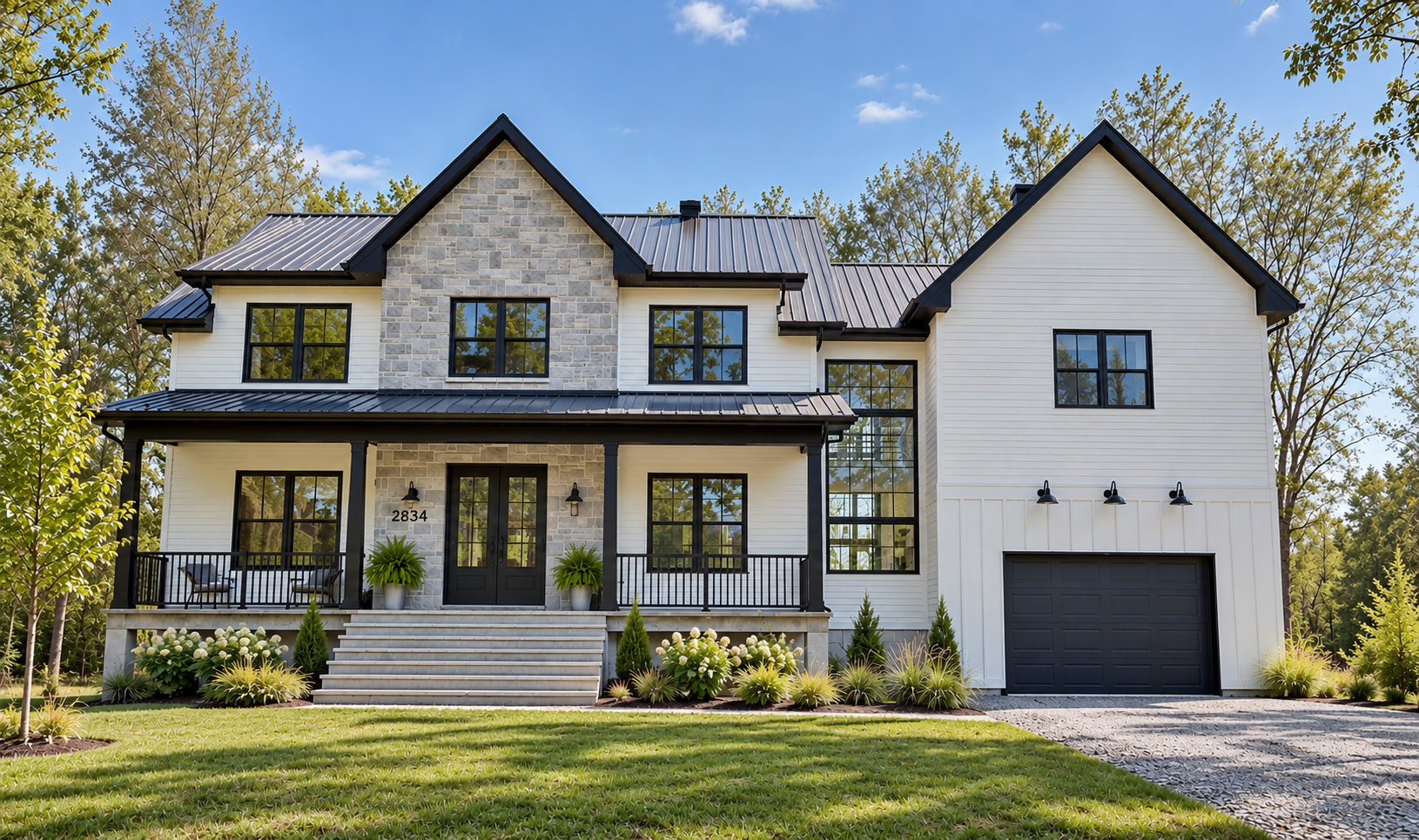
Finally, building gives you the freedom to choose an architectural style that reflects your preferences. Contemporary homes, modern farmhouse designs, and traditional ranch-style houses are just a few possibilities.
👉 Explore Our House Plan Collections!
Already imagining your future home? Browse our collections of ranch house plans, two-story house plans, and cottage plans.
From practical single-story layouts to spacious family homes, explore designs that inspire your next project.
Our house plans can be customized with assistance from our architectural design team to better suit your needs and lifestyle.
Challenges to Consider Before Building
Finding a building lot that suits your project can be challenging. In desirable neighborhoods, available land may be limited or expensive.
Furthermore, an attractive lot doesn’t necessarily accommodate your preferred house design. Setback requirements, site conditions, and local regulations can restrict what’s possible. Waterfront properties require particular attention. Environmental restrictions may influence building placement and permitted construction activities.
Your budget must also account for several additional expenses. Beyond construction, consider land acquisition, utility connections, permits, and landscaping.
Finally, building a new home requires careful planning. Administrative procedures, site preparation, and construction work can extend your timeline.
When Does Building a New Home Make Sense?
Building a new home is worth considering when your current house can no longer meet your needs, despite potential renovations. It may also appeal to homeowners seeking an entirely different layout. However, the selected lot must accommodate the proposed design.
Before deciding, compare costs, restrictions, and the potential impact on your daily life.
A new home should improve your quality of life, not simply reflect your architectural preferences.
👉 Is Your New Home Project Starting to Take Shape?
Before getting started, explore how to choose the right house plan for your needs and lifestyle.
And if you’re planning for the long term, discover how to build your forever home, with future comfort and changing needs in mind.
Renovating to Stay in a Neighborhood You Love
When considering a new home, it’s easy to focus on layout, architectural style, and budget. However, where you live can have just as much impact on your quality of life. Over time, we develop routines and meaningful connections with our surroundings. A peaceful neighborhood, friendly neighbors, and convenient amenities become valuable parts of everyday life. Renovating may allow you to preserve these advantages while creating a home that better suits your needs.
Staying Close to Schools, Services, and Family
For young families, living near schools and daycare centers makes daily routines easier. Nearby parks, sports facilities, and children’s friends can also be important advantages. Furthermore, quick access to grocery stores, pharmacies, and local businesses simplifies everyday errands. Some neighborhoods even allow residents to reach essential services on foot.
For other homeowners, staying close to adult children, relatives, and longtime friends becomes a priority. These everyday conveniences may seem ordinary. Yet, they contribute significantly to comfort and happiness at home.
Peaceful Surroundings and Good Neighbors Are Hard to Replace
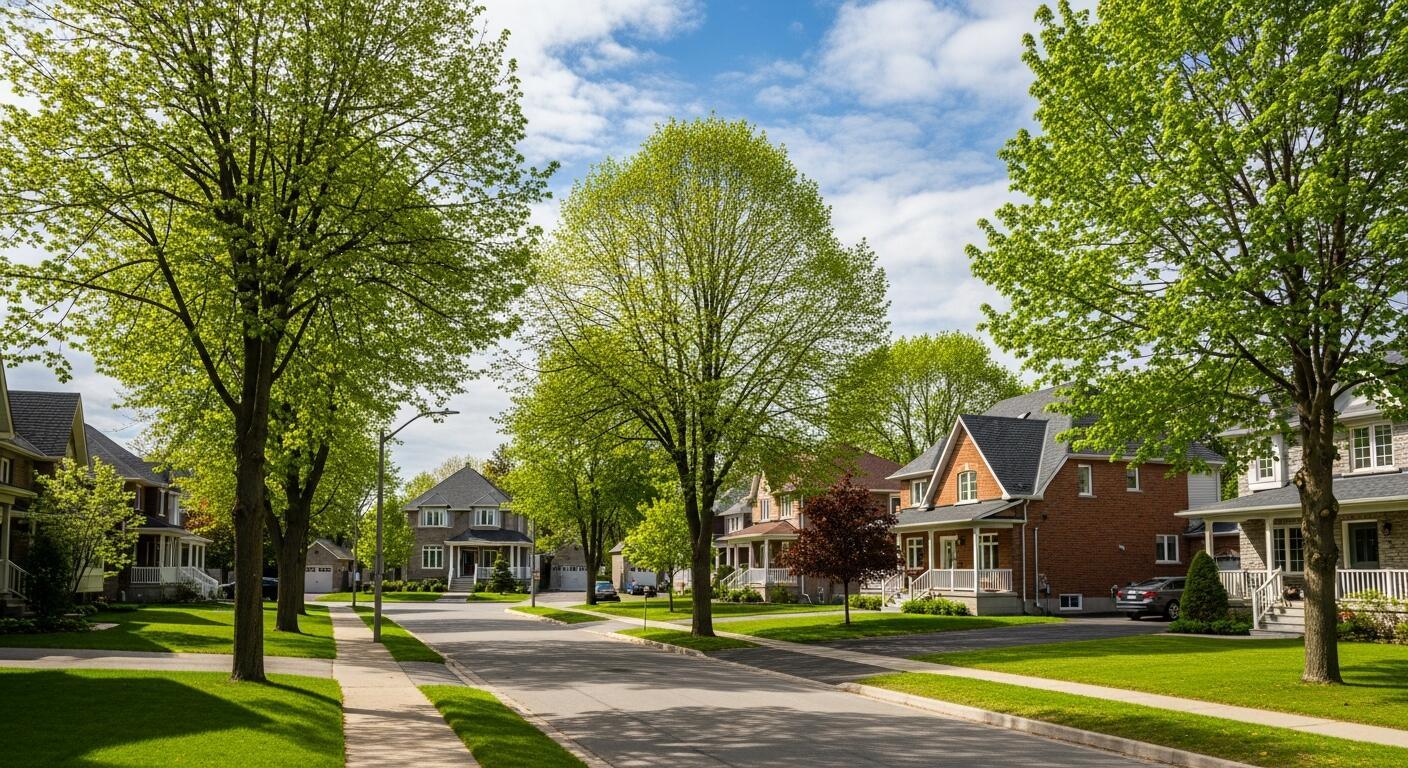
A peaceful neighborhood where you feel safe offers a valuable sense of comfort. Walking through familiar streets, knowing your neighbors, and enjoying your surroundings can improve everyday life. Moreover, good neighbors aren’t as easy to replace as a kitchen or bathroom.
A home can be renovated, expanded, or modernized. However, rebuilding meaningful relationships and familiar routines takes time. Before moving, consider everything you appreciate about your current neighborhood.
Building Lots May Be Farther Away Than Expected
Choosing a more distant building lot may seem financially attractive. However, it’s important to consider the long-term consequences. A lower-priced lot doesn’t necessarily mean a more affordable project. Additional transportation expenses and longer commutes can affect both your budget and lifestyle.
For example, moving 20 minutes farther away may initially seem reasonable. Yet, those extra minutes add up when you travel the same route every day. The true cost of moving isn’t measured in dollars alone. Time, daily routines, and proximity to loved ones also matter.
Before Leaving Your Neighborhood, Explore Your Home’s Potential
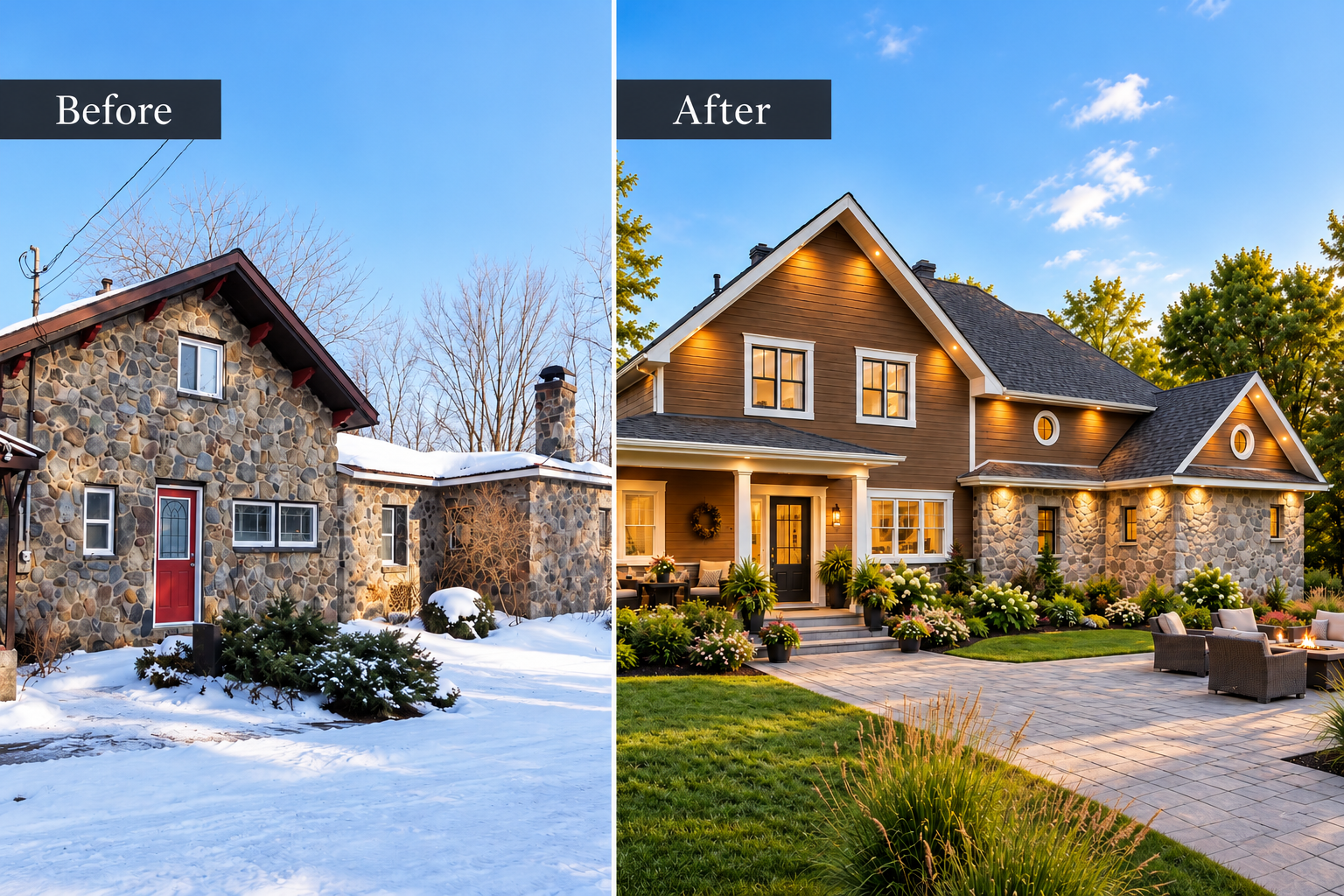
If you love your location, renovating or adding space could meet your needs without disrupting your lifestyle. Of course, the possibilities depend on your home’s existing structure and local building regulations. Before searching for another property, take time to evaluate what your current home could become.
After all, wanting a different house doesn’t always mean wanting a different life.
Our Experience: Why We Ultimately Chose to Renovate
A couple of years ago, my partner and I seriously considered building a new home. We had found a beautiful waterfront lot that seemed to offer an exciting opportunity. We imagined creating a house designed around our needs, with beautiful views and a walkout basement opening toward the water.
However, as we explored the project, we discovered that the lot came with important restrictions. We couldn’t build as close to the water as we had hoped. The property’s characteristics also prevented us from creating the walkout basement we envisioned. Furthermore, the lot was approximately 20 to 25 minutes from our current home.
At first, that distance didn’t seem particularly significant. However, it encouraged us to think more carefully about everything we would be leaving behind. We currently live in a peaceful neighborhood within the city. We love our neighbors, our surroundings, and the convenience of having essential services just five minutes away. We can walk through our neighborhood, run errands easily, and enjoy a lifestyle that suits us perfectly. Our adult children also live nearby. They often stop by for lunch, and those spontaneous visits are something we truly appreciate.
Gradually, we realized that building a new home would mean giving up several things we loved about our everyday life. So, instead of moving, we decided to renovate our existing home.
We chose to transform our current home rather than change our everyday life. Our decision wasn’t simply architectural or financial. It was also about preserving our quality of life.
Before Buying a Building Lot, Know What You Can Actually Build
A beautiful building lot can inspire countless ideas. However, not every property allows you to build the home you envision. Before purchasing land, it’s essential to understand the regulations, site conditions, and potential construction limitations.
These factors can significantly influence your house plan, construction costs, and overall project.
Check Local Zoning and Building Regulations
Every municipality has rules governing residential construction. These regulations may determine where you can build and how your home must be positioned. For example, minimum setbacks, maximum building height, and permitted lot coverage can affect your design. Certain areas may also have architectural guidelines or additional restrictions.
Before purchasing a lot, contact the local building or planning department. Confirm that your proposed home complies with applicable regulations.
Waterfront Lots May Have Additional Restrictions

Waterfront properties are particularly appealing. However, they often come with environmental regulations and building restrictions. Depending on the location, shoreline protection requirements may limit construction near the water. These restrictions can affect your home’s placement, outdoor living areas, and potential additions. Furthermore, a sloping waterfront lot doesn’t automatically allow for a walkout basement.
Never assume that a lot’s natural features guarantee your preferred house design.
Consider the Lot’s Topography and Site Conditions
A lot’s appearance doesn’t always reveal the challenges involved in building on it. Steep slopes, soil conditions, drainage, and access can influence construction costs. For example, a sloping lot may require additional excavation, specialized foundations, or retaining walls. Utility connections and septic system requirements can also affect the available building area.
Therefore, evaluating the lot’s technical characteristics before purchasing can help prevent expensive surprises.
Make Sure Your House Plan Fits the Lot
Choosing a house plan and selecting a building lot should go hand in hand. A wide ranch-style home may require a larger building footprint. Meanwhile, a two-story design could be better suited to a narrower property. The lot’s orientation, access, and natural features can also influence window placement and outdoor living spaces. Before finalizing your purchase, confirm that your preferred house plan can be adapted to the property.
👉 Planning to Buy a Building Lot?
Explore our guide on how to choose the right lot for your house.
Also, discover five important questions to ask your municipality before buying a house plan.
These resources can help you identify potential restrictions before making a major investment.
Adding Onto Your Home: A Third Option Worth Considering
When your home starts feeling too small, a home addition can provide extra space without requiring you to move. This solution allows you to adapt your property to changing needs. However, feasibility depends on the existing structure and lot characteristics. Before considering an addition, it’s also worth exploring whether your current layout could be improved.
What Types of Home Additions Are Possible?
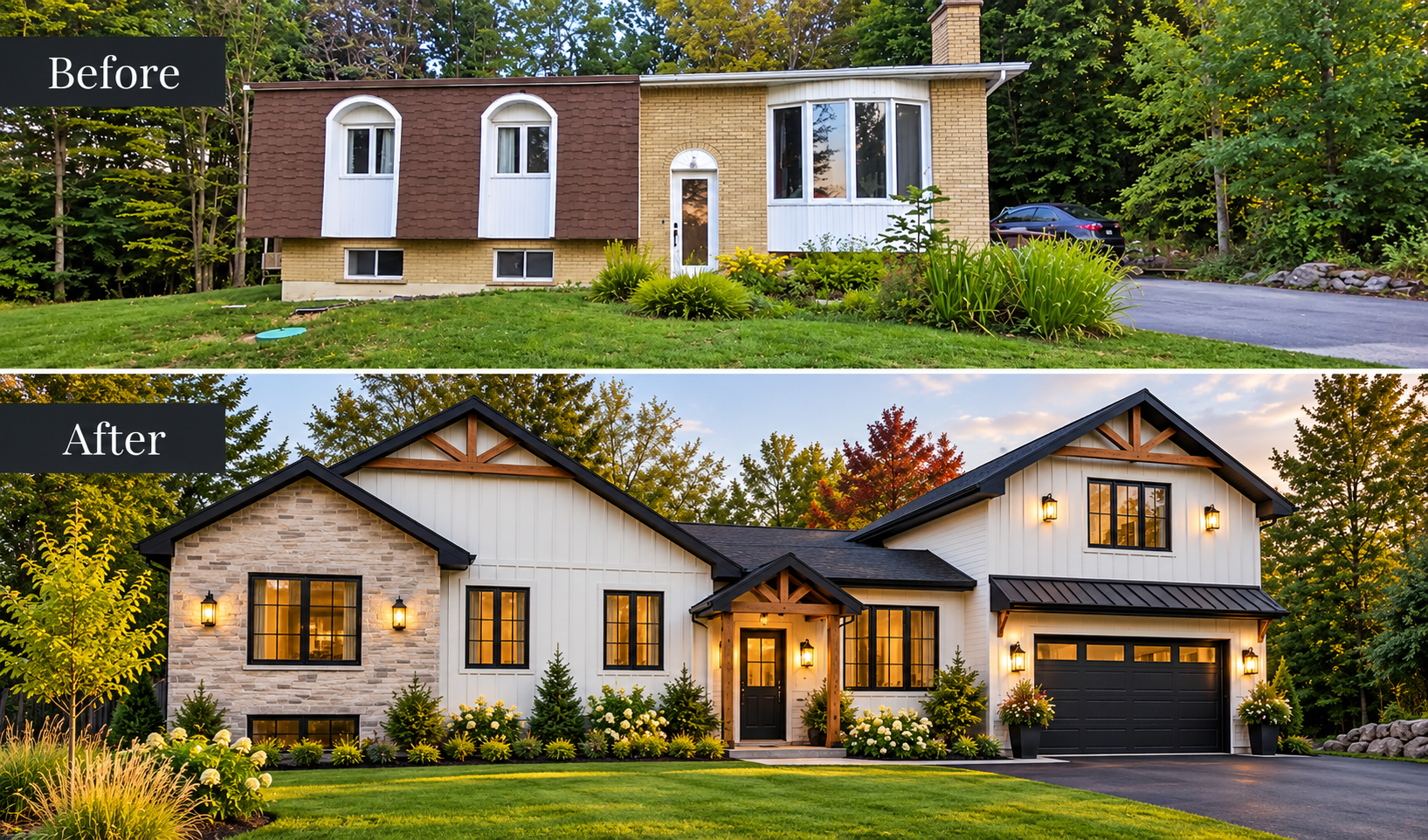
Several types of home additions can provide valuable living space. A rear addition may accommodate a larger kitchen, dining area, or family room. Meanwhile, a side addition can create space for a bedroom, home office, or garage.
In some cases, adding a second story can significantly increase living space without expanding the building footprint. However, this type of project requires a careful structural assessment. Existing foundations and load-bearing components must support the proposed changes.
Another possibility involves building above an existing garage, provided its structure can accommodate the additional load. The best solution depends on your home’s architecture, your needs, and local regulations.
Reconfigure Your Home Before Adding More Space
An addition isn’t always necessary to improve functionality. Sometimes, reorganizing existing rooms can create a more comfortable and practical layout. For example, removing a non-load-bearing partition may improve circulation between the kitchen and living areas.
An unfinished basement could also offer valuable opportunities for additional living space. Likewise, converting an underused room into a home office or guest bedroom may address your changing needs.
Before expanding your home, evaluate how effectively you’re using your existing square footage.
How Much Does a Home Addition Cost?
The cost of a home addition depends on several factors, including its size, design, and construction complexity. A ground-level addition may require new foundations, roofing, and exterior finishes. Meanwhile, a second-story addition can involve substantial structural modifications. Plumbing, electrical work, heating, and interior finishes also influence the final budget.
The cost per square foot of an addition can sometimes exceed that of new construction. Much depends on the complexity of the work.
Therefore, comparing detailed estimates is essential before making a decision.
👉 Planning a Home Addition or Major Renovation?
Explore our renovation, home addition, and basement remodeling plans to discover how thoughtful planning can transform your existing home.
Designing an Addition That Complements Your Home
A successful addition should feel like a natural extension of your existing house.
Rooflines, exterior materials, window proportions, and architectural details all contribute to a cohesive design.
For example, an addition to a traditional home may require different design choices than one attached to a contemporary house. Interior circulation is equally important. The new spaces should connect comfortably with the original layout. With careful planning, an addition can improve both functionality and architectural harmony.
Ultimately, the goal is to create a home that feels thoughtfully designed rather than simply expanded.
Build or Renovate: Which Option Costs Less?
One of the biggest questions homeowners face is whether renovating costs less than building a new home. The answer depends on several factors. The condition of your existing house, the extent of renovations, and the cost of land all influence the comparison. A modest renovation may cost significantly less than building. However, a major transformation involving structural changes can require a substantial investment. To make an informed decision, compare both projects using realistic estimates and similar criteria.
Renovation Costs Depend on the Scope of Work
Not all renovations involve the same expenses. Updating kitchen cabinets, replacing flooring, or refreshing interior finishes differs greatly from modifying foundations or load-bearing walls.
Major renovations often involve additional technical challenges. Contractors must work around existing structures, systems, and sometimes unexpected conditions. Furthermore, older homes may require electrical, plumbing, or insulation upgrades to meet current requirements.
Before committing to extensive renovations, obtain detailed estimates and include a contingency allowance.
The Cost of Building a New Home Goes Beyond Construction
When comparing costs, remember that the construction contract represents only part of your investment. Buying land, preparing the site, and connecting utilities can significantly increase your total budget. Depending on the property, you may also need a well, septic system, driveway, or additional excavation. Permits, landscaping, and certain interior finishes can add further expenses. Moreover, financing costs and temporary accommodations may need to be considered during construction. A realistic construction budget should account for the entire project, not just the house itself.
Expenses Homeowners Often Forget to Compare
Some costs are less obvious but can influence your decision. For example, selling your current home and purchasing another property may involve legal fees, moving expenses, and transaction costs. Renovating can also create temporary expenses. You may need storage, alternative accommodations, or adjustments to your daily routine.
Finally, additional commuting and transportation expenses can affect your long-term budget.
These costs deserve a place in the financial comparison between both projects.
Compare Both Projects Using the Same Criteria
To determine which option makes more financial sense, evaluate renovation and new construction under similar conditions. Consider the total investment, the resulting living space, and the expected quality of the finished home. Also, examine the condition of major building components and the maintenance expenses you may face in the coming years.
The lowest initial cost doesn’t always represent the best long-term value.
Your final decision should balance financial considerations with comfort, functionality, and quality of life.
Comparison Table: Renovating vs. Building a New Home
| Criteria | Renovating Your Home | Building a New Home |
|---|---|---|
| Initial investment | Depends on the scope of work and existing conditions | Includes land, construction, and site preparation |
| Design flexibility | Limited by the existing structure | Greater freedom to select and customize a floor plan |
| Unexpected expenses | Hidden structural or mechanical problems | Site conditions, utility connections, and construction changes |
| Energy efficiency | Can improve through targeted upgrades | Can be incorporated from the design stage |
| Neighborhood | Keep your current location and surroundings | Depends on available building lots |
| Construction timeline | Varies according to project complexity | Requires land preparation, permits, and construction |
| Daily disruption | May require temporary relocation | May involve maintaining two properties during construction |
| Long-term maintenance | Depends on the age and condition of existing components | New materials and systems may reduce some early maintenance needs |
| Future flexibility | Depends on structural and zoning limitations | Can accommodate future needs through thoughtful planning |
The best choice depends on your priorities. Renovating may preserve a lifestyle you love, while building offers more design freedom.
Neither option is automatically more affordable. The goal is to compare realistic budgets and the value each project brings to your everyday life.
👉 Want a Better Understanding of New Home Construction Costs?
Explore our 2026 guide to the cost of building a house.
Discover the factors that influence construction expenses and learn how to plan a more realistic budget.
FAQ: Building or Renovating a House
Is It Cheaper to Renovate or Build a New House?
Renovating is often less expensive when improvements are limited to specific areas. However, major structural renovations can become costly. The most reliable approach is to compare detailed estimates that include unexpected expenses, site conditions, and long-term maintenance.
When Is Renovating Better Than Moving?
Renovating may be the better choice when you love your neighborhood and your home’s structure is in good condition. It can also make sense when targeted improvements or an addition provide the space you need.
Can You Add Space to Your Home Without Major Structural Changes?
Yes, some home additions can be designed without major changes to the existing structure. However, the possibilities depend on the foundations, load-bearing components, lot dimensions, and local regulations. A professional assessment is essential before selecting a design.
What Should You Check Before Buying Land to Build a House?
Review zoning regulations, setbacks, permitted building dimensions, soil conditions, drainage, and utility access. For waterfront properties, shoreline restrictions may also apply.
Always confirm that your preferred house design is compatible with the lot before purchasing.
Can You Completely Modernize an Older House?
Yes, many older homes can undergo major architectural and interior transformations. Renovations may include updated layouts, exterior materials, windows, insulation, and mechanical systems. However, the project’s feasibility and cost depend on the condition of the existing structure.
Build or Renovate: Choose the Home That Fits Your Life
Choosing whether to build or renovate a house involves more than comparing construction costs. Your neighborhood, lifestyle, family, and future needs are equally important.
Building a new home gives you the freedom to select a floor plan that reflects your preferences. You can personalize the layout, incorporate modern features, and plan for changing needs.
On the other hand, renovating allows you to transform a home you already love. You may preserve your neighborhood connections while creating more functional and comfortable living spaces.
Sometimes, a home addition or interior redesign offers the perfect compromise.
Ultimately, the best decision isn’t necessarily the most ambitious project or the least expensive option. It’s the one that improves your everyday life while respecting your budget and priorities.
Your Project Deserves a Well-Designed Plan
Whether you’re planning a new home, a major renovation, or an addition, professional architectural planning can make all the difference.
At Drummond House Plans, we offer a wide selection of house plans that can be customized to your needs. Our team also provides personalized design services for renovation and home addition projects.
With 30 regional offices across Quebec and Ontario, our architectural design professionals can help you explore your options.
👉 Ready to Bring Your Project to Life?
Discover our home renovation design services or explore our house plan collections for inspiration.
Because the best home isn’t necessarily a new one. It’s the one that truly fits your life.