
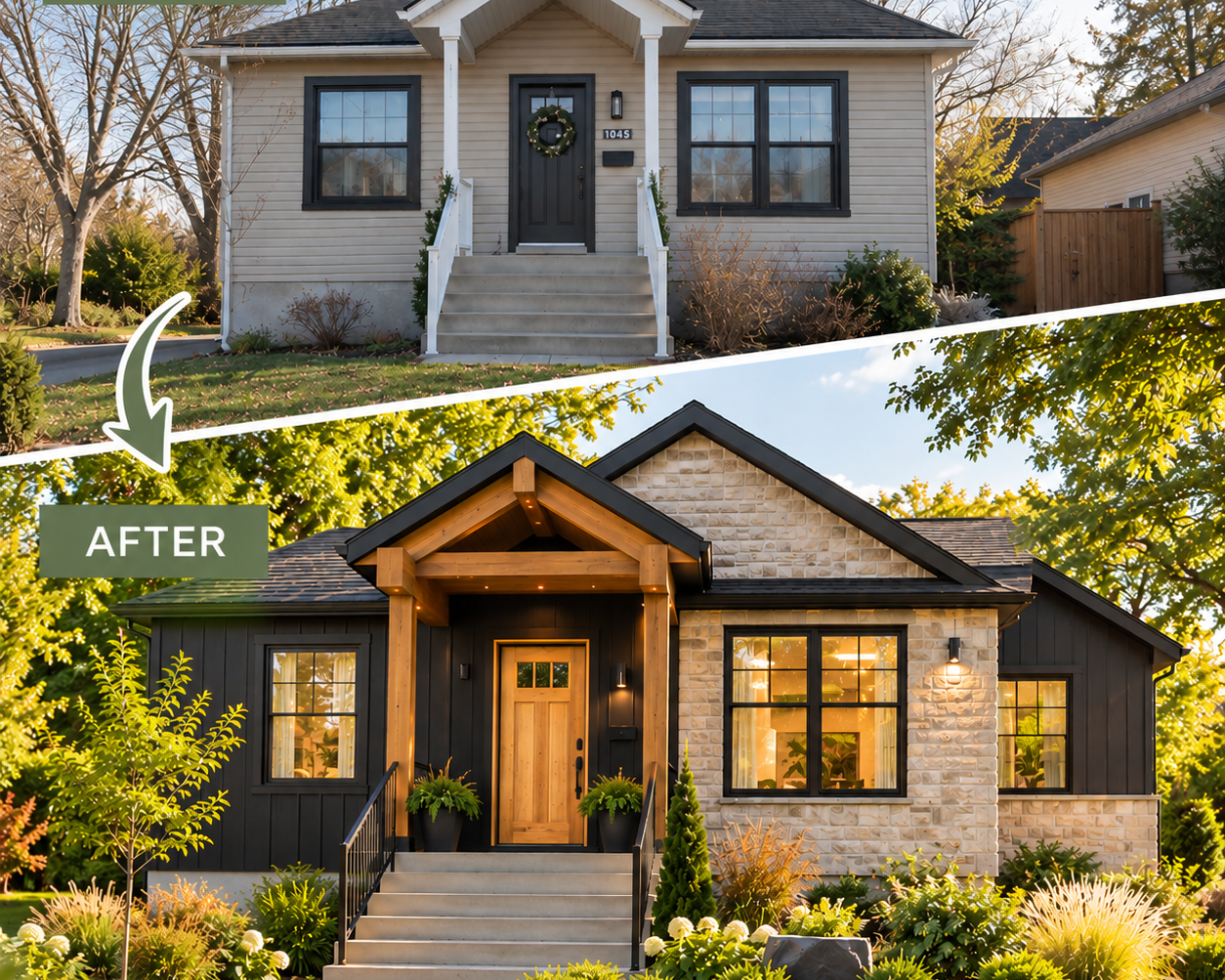
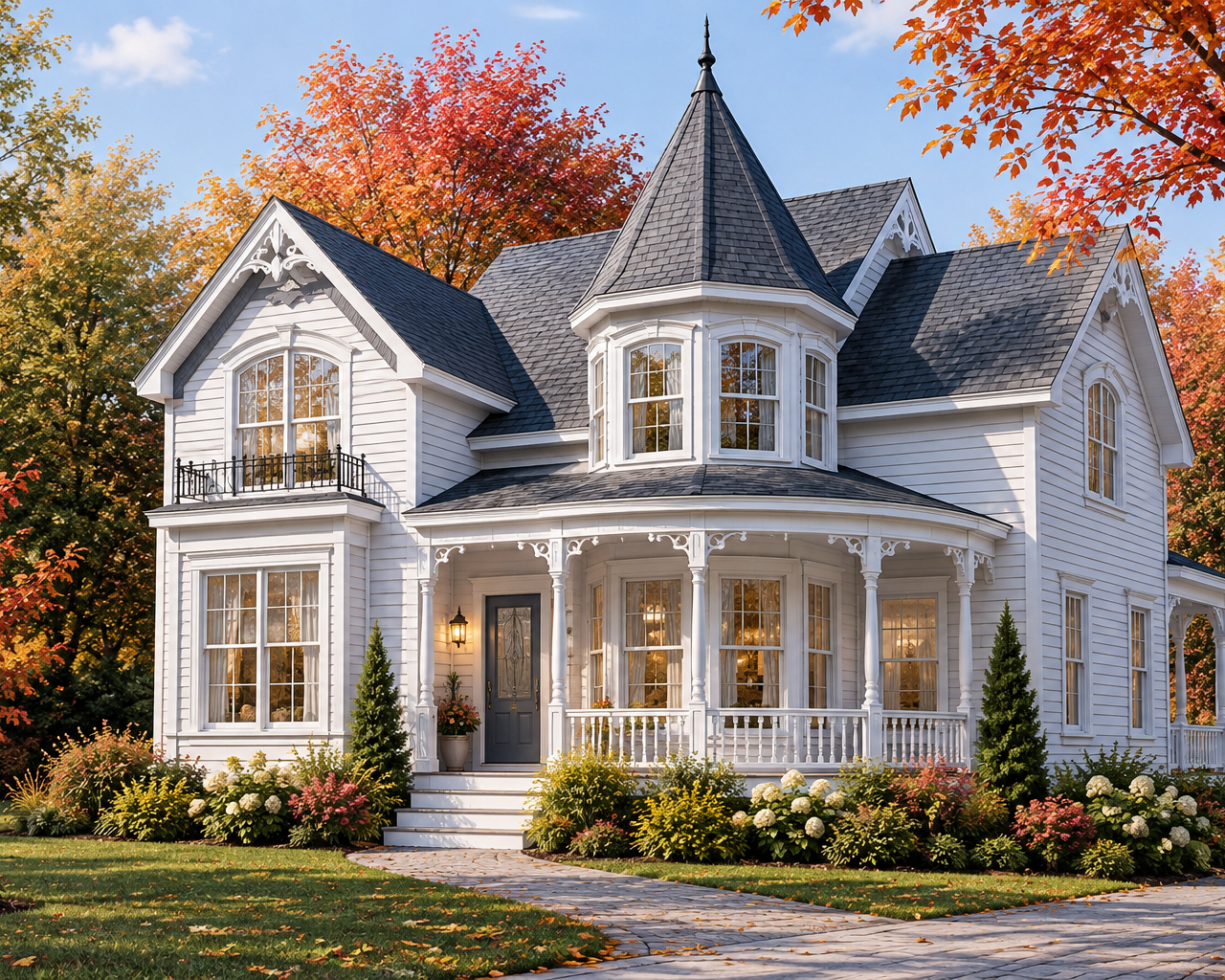

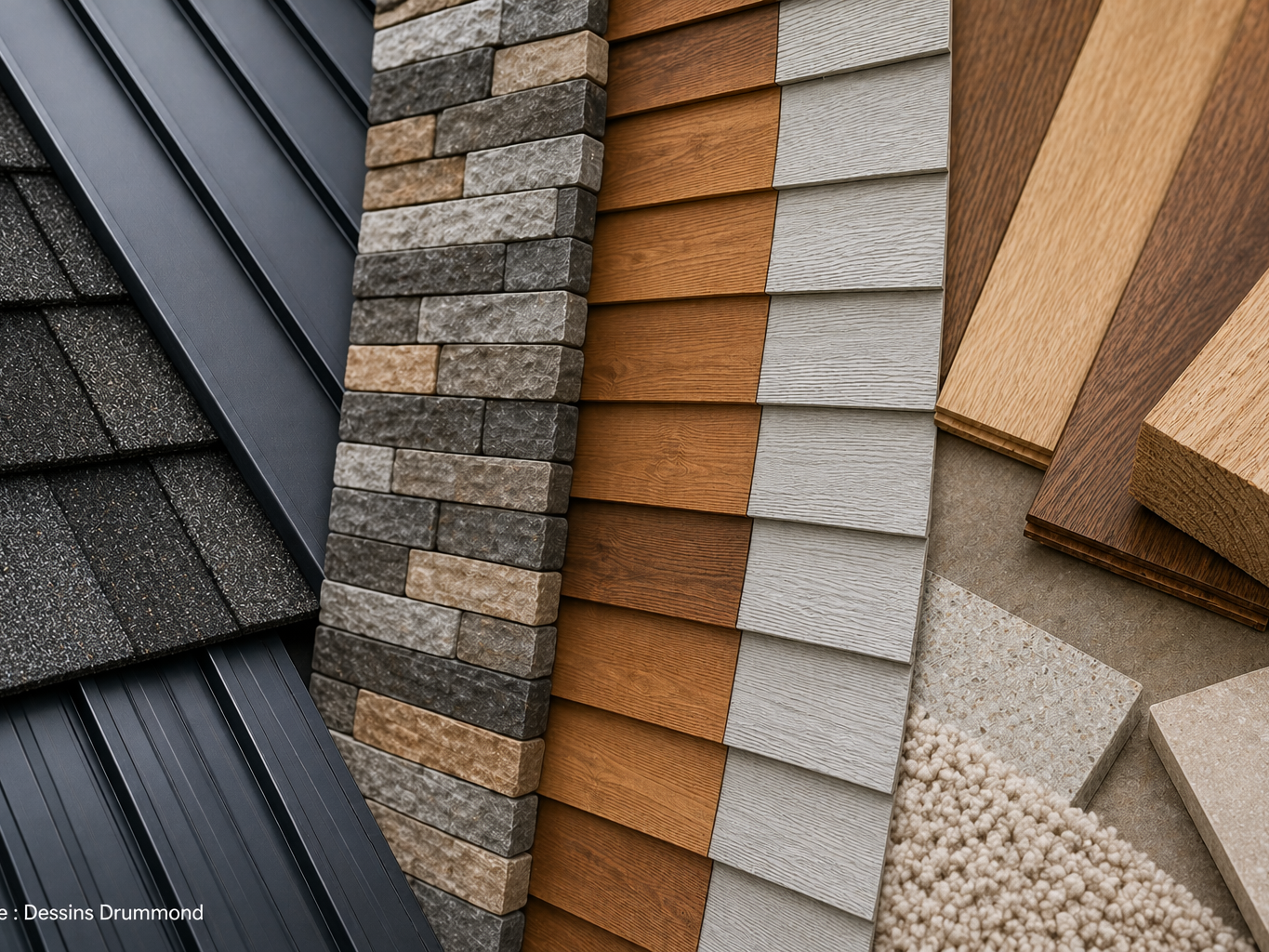
Whether you’re planning to build or renovate a home, understanding the lifespan of building materials is essential.
Some components last for decades, while others need to be replaced much sooner. Making the right choices from the start can help you avoid unexpected costs.
In this article, you’ll discover the typical lifespans of residential building materials, along with practical advice. From roofing and windows to exterior siding and foundations, understanding which materials last the longest can help you protect your investment and avoid costly renovations.
👉 Planning to build? Check out our complete guide to the cost of building a home in Quebec.
Key building materials and their lifespans
Structure, foundations and framing: the basis of a long-lasting home
A home’s structure is designed to last a very long time, provided it is properly protected.
- Concrete foundations: 75 to 100 years
- Wood framing: 50 to 100 years
- Steel structure: 75 years or more
However, moisture can significantly shorten these lifespans, making it essential to prevent water infiltration.
All three structural options offer excellent durability, but wood remains the most common choice for residential construction in Quebec because of its cost, availability and adaptability.
👉 To learn more about your building options, read our guide on how to choose the right house plan.
A roof that truly protects your home
Your choice of roofing material directly affects your long-term maintenance costs, the protection of your home and your property’s overall value.
Your roof protects your home from the elements, so maintaining it is crucial.
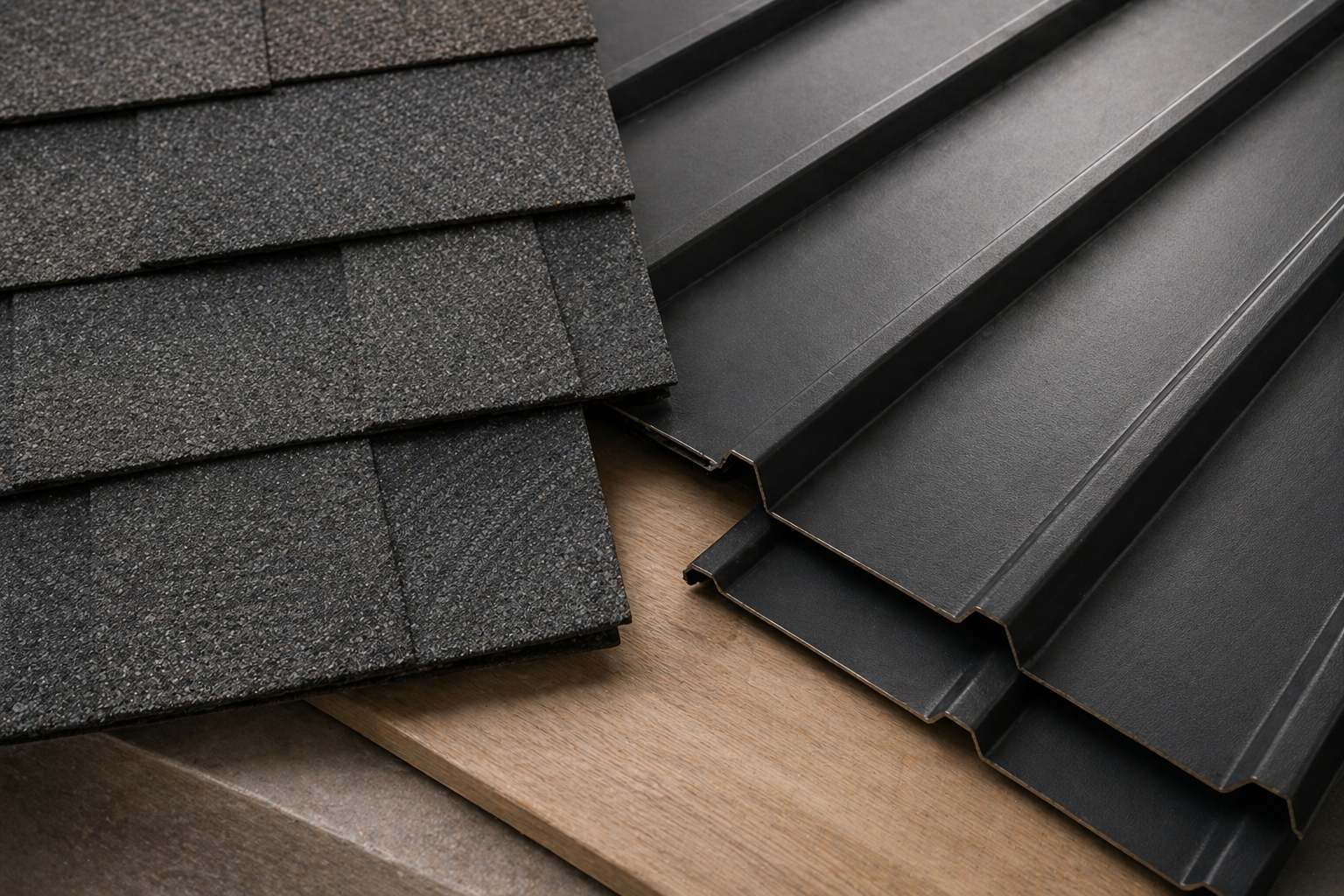
Your choice of roofing material directly affects your home’s durability and maintenance needs.
- Asphalt shingles: 15 to 30 years
- Metal roofing: 40 to 70 years
- Elastomeric roofing membrane: 20 to 35 years
Regular inspections can help prevent costly damage.
👉 Planning a renovation? Explore our complete guide to home renovation plans in Quebec.
High-performance windows and doors for greater comfort
Windows affect both your home’s thermal comfort and your energy costs.
- PVC windows: 20 to 30 years
- Wood/aluminum windows: 25 to 40 years
- Exterior doors: 20 to 30 years
Proper installation also improves their long-term performance.
👉 To maximize comfort, energy efficiency and resale value, it’s also essential to choose the right house plan from the start.
Exterior siding that makes all the difference
The right exterior siding can significantly reduce maintenance costs over several decades.
Exterior siding protects your home while defining its style.
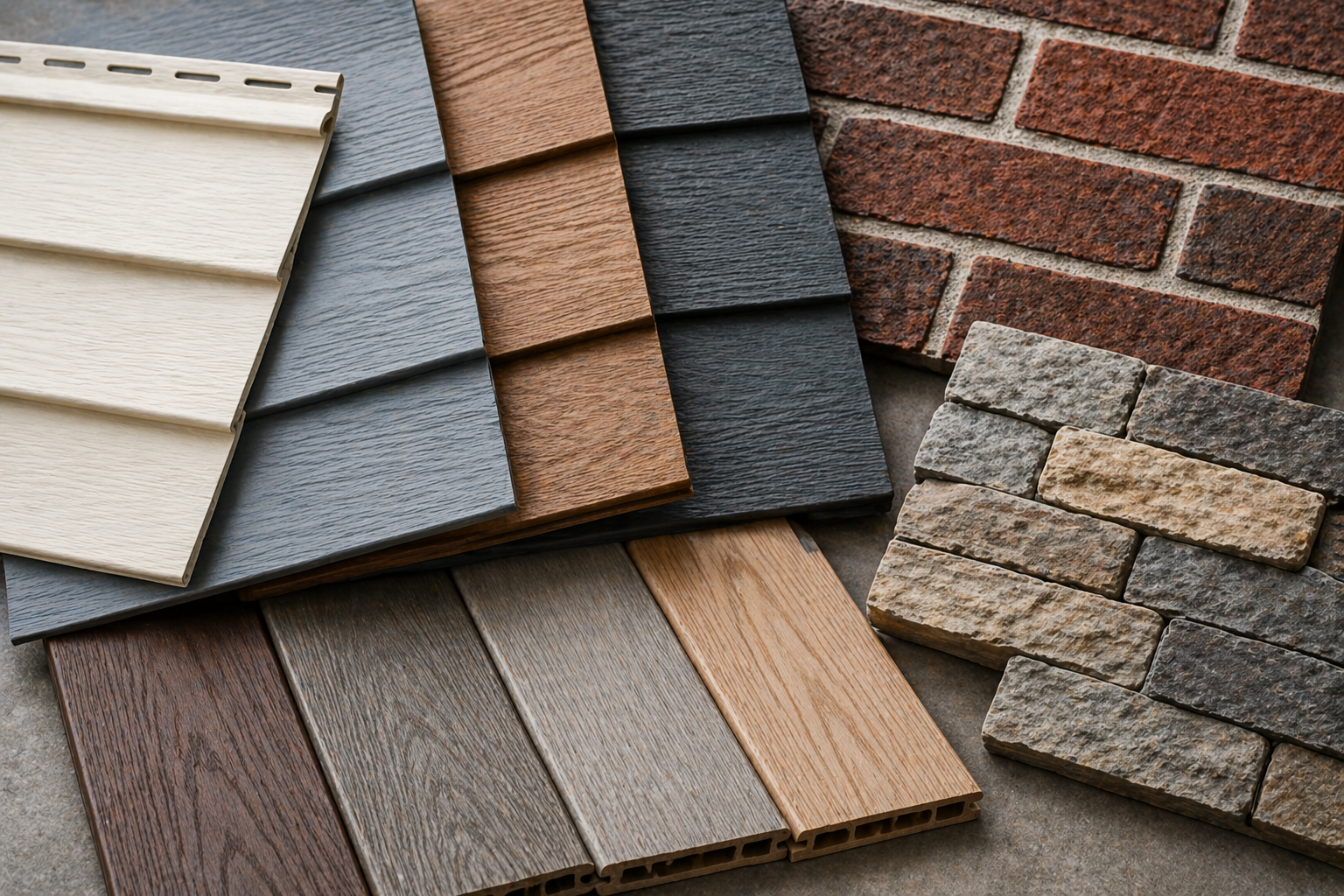
- Vinyl siding: 20 to 40 years
- Wood siding: 20 to 30 years with maintenance
- Fiber cement siding: 30 to 50 years
- Brick: 75 years or more
Choosing the right siding can therefore reduce maintenance needs and increase your property’s value.
Plumbing and electrical systems: essential components you shouldn’t overlook
These systems are essential, even though they are often overlooked.
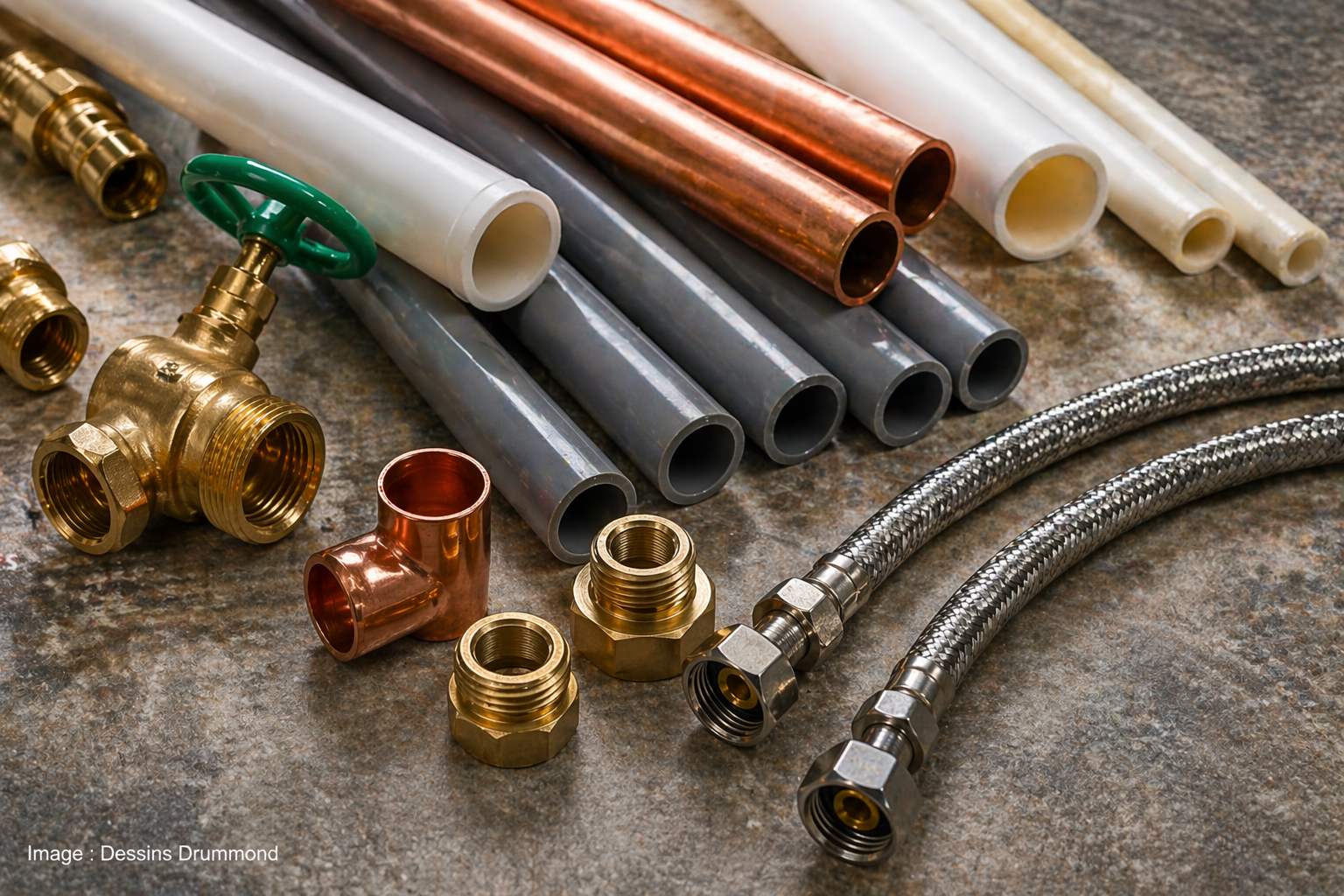
- PVC pipes: 50 years or more
- Copper pipes: approximately 50 years
- Electrical system: 40 to 70 years
Periodic inspections can help prevent major problems.
Finishes that evolve with your style
Unlike the structure of your home, finishes tend to wear out more quickly.
- Hardwood flooring: 50 to 100 years
- Laminate flooring: 15 to 25 years
- Kitchen cabinets: 15 to 25 years
- Paint: 5 to 10 years
However, updating these finishes is an easy way to modernize your interior.
Which materials offer the best long-term value?
The most durable materials aren’t always the least expensive to purchase, but they often offer better long-term value by reducing replacement costs, maintenance needs and unexpected expenses.
What really makes a difference over time
Several factors can speed up or slow down the wear and tear of building materials.
- Material quality
- Installation quality
- Climate and moisture
- Regular maintenance
In Quebec, temperature fluctuations play an important role.
Simple ways to extend the lifespan of your materials
- Inspect your roof and foundations regularly
- Clean exterior siding
- Repair water leaks and infiltration promptly
- Plan replacements in advance
These simple steps can help you avoid urgent, costly repairs.
Plan for durability from the design stage
Understanding the durability of building materials is essential from the very beginning.
A well-designed house plan allows you to incorporate materials suited to your lifestyle.
👉 Find out how a custom house plan works.
👉 For example, models such as Nordika (#6102) and Strom 2 (#3896-V1) incorporate thoughtful, durable design choices.
Material lifespans at a glance
Understanding the average lifespan of key residential building materials can help you plan maintenance, future renovations and your home’s overall budget. Although factors such as installation quality, maintenance and climate can influence how long materials last, this table provides a useful reference for evaluating the main components of your property.
Key components and estimated lifespans:
| Component | Estimated lifespan |
|---|---|
| Foundations | 75–100 years |
| Roofing | 15–70 years |
| Windows | 20–40 years |
| Exterior siding | 20–75 years |
| Plumbing | 50 years or more |
| Finishes | 5–30 years |
By planning today around the actual lifespan of these materials, you can better protect your investment, avoid unexpected expenses and design a more durable, efficient home that meets your long-term goals.
Frequently asked questions about building material durability
Which type of roofing lasts the longest?
Metal roofing is the longest-lasting roofing option listed here, with a lifespan of up to 70 years. However, it costs more to install.
How long do asphalt shingles last?
Asphalt shingles generally last between 15 and 30 years. Their lifespan depends on their quality and how well they are maintained.
Which exterior materials require the least maintenance?
Brick and fiber cement require very little maintenance. They also stand up well to weather and the passage of time.
Which exterior siding lasts the longest?
Brick is the longest-lasting siding material listed here, with a lifespan of more than 75 years. It also offers excellent resistance to the elements.
How long do windows last?
PVC windows last between 20 and 30 years. Aluminum or wood windows can last up to 40 years.
Are more expensive materials always more durable?
No. A higher price doesn’t always guarantee greater durability. However, quality materials often last longer.
Understanding how materials affect overall costs is essential, especially if you’re planning your construction budget in Quebec.
Should you always choose the most durable material?
No. Your budget and how you plan to use the material should also be considered. Finding the right balance is important.
How can you extend the lifespan of building materials?
Regular maintenance is essential. For example, inspecting your roof and promptly repairing damage can make a big difference.
When should you replace a roof?
A roof should be replaced when it shows signs of wear, such as water infiltration or damaged shingles.
How long do plumbing systems last?
PVC pipes can last more than 50 years. Copper pipes also offer very good durability.
How long can an entire house last?
A well-maintained house can last more than 100 years. However, some of its components will need to be replaced over time.
Why should you consider material lifespans from the start?
Planning ahead helps you avoid unexpected costs and make more durable choices during the design stage.
If you’re still exploring your options, learning how a custom house plan works can help you incorporate durable materials from the start.
Build a home designed to last
Choosing durable materials when designing your home or planning a renovation can significantly reduce future costs, improve your comfort and protect your investment for decades.
Making informed choices from the start helps you build a home that lasts. The materials you choose today can make all the difference in the years ahead.
👉 Ready to design a home built to last? Contact our team today.
👉 Planning to build or renovate? Explore our custom house plan or renovation plan services.