


Renovating Your Kitchen: Where Should You Start?
The kitchen is one of the most frequently used rooms in the home. It’s where meals are prepared, families gather and, in many of today’s homes, everyday life naturally comes together. A well-designed kitchen should therefore strike the right balance between functionality, storage, comfort and style.
Renovating a kitchen can represent a significant investment, but you don’t always need to replace everything to create a more modern and enjoyable space. Depending on the condition of your kitchen and your available budget, a few carefully chosen upgrades can transform its appearance, make everyday tasks easier and better adapt the space to your needs.
Replacing countertops, improving lighting, updating cabinets, choosing new hardware or installing appliances that better suit your lifestyle can make a considerable difference in both the appearance and functionality of your kitchen.
Here are five kitchen renovation upgrades to consider, whether you’re planning a simple refresh or a more extensive remodeling project.
1. Choose Durable Countertops That Suit Everyday Life
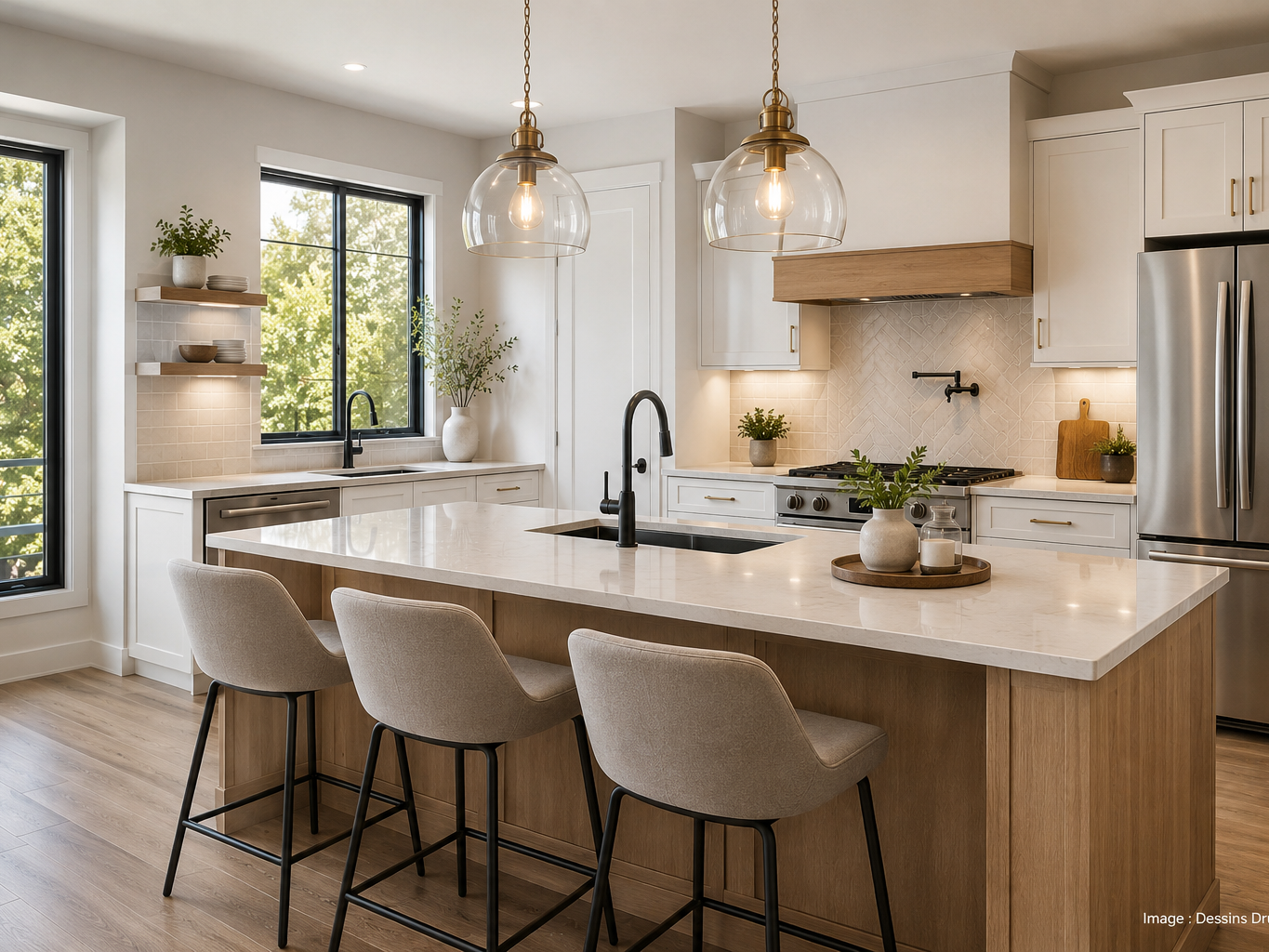
Countertops play an important role in both the function and appearance of a kitchen. They provide space for meal preparation, temporary storage, serving and, when an island or breakfast counter is included, dining and gathering.
Before choosing a material, consider its durability, maintenance requirements, cost and how well it complements the rest of the kitchen. Quartz is popular for its consistent appearance and relatively easy maintenance, while granite offers a natural look with patterns that vary from one slab to another. Laminate remains an affordable option and is now available in a wide variety of finishes.
You don’t necessarily need to choose the most expensive material. A new countertop that coordinates well with the cabinets, backsplash and flooring may be enough to give the entire kitchen a more modern look.
2. Improve Kitchen Lighting and Plan for Proper Ventilation
A well-lit kitchen is not only more inviting but also more functional and safer to use. Ideally, kitchen lighting should be layered to accommodate the different activities that take place in the room.
General lighting provides even illumination throughout the space, while under-cabinet lighting directs light onto work surfaces. Pendant lights above an island or breakfast counter can also help define the space while adding a decorative element.
Natural light is another valuable feature. A well-positioned window, glass door or skylight can make the kitchen feel brighter and more welcoming.
Ventilation should not be overlooked. A range hood properly sized and installed for the cooking appliance helps remove odors, moisture and airborne particles produced while cooking.
3. Update Kitchen Cabinets Without Necessarily Replacing Everything
Cabinets have a major impact on the style, storage capacity and efficiency of a kitchen. When they are in poor condition or the existing layout no longer meets your needs, replacing them can provide an opportunity to completely rethink the space.
However, if the cabinet boxes are still solid and well positioned, you may be able to update the kitchen without tearing everything out. Depending on their material and condition, cabinets can sometimes be repainted, refaced or simply refreshed with new doors and hardware.
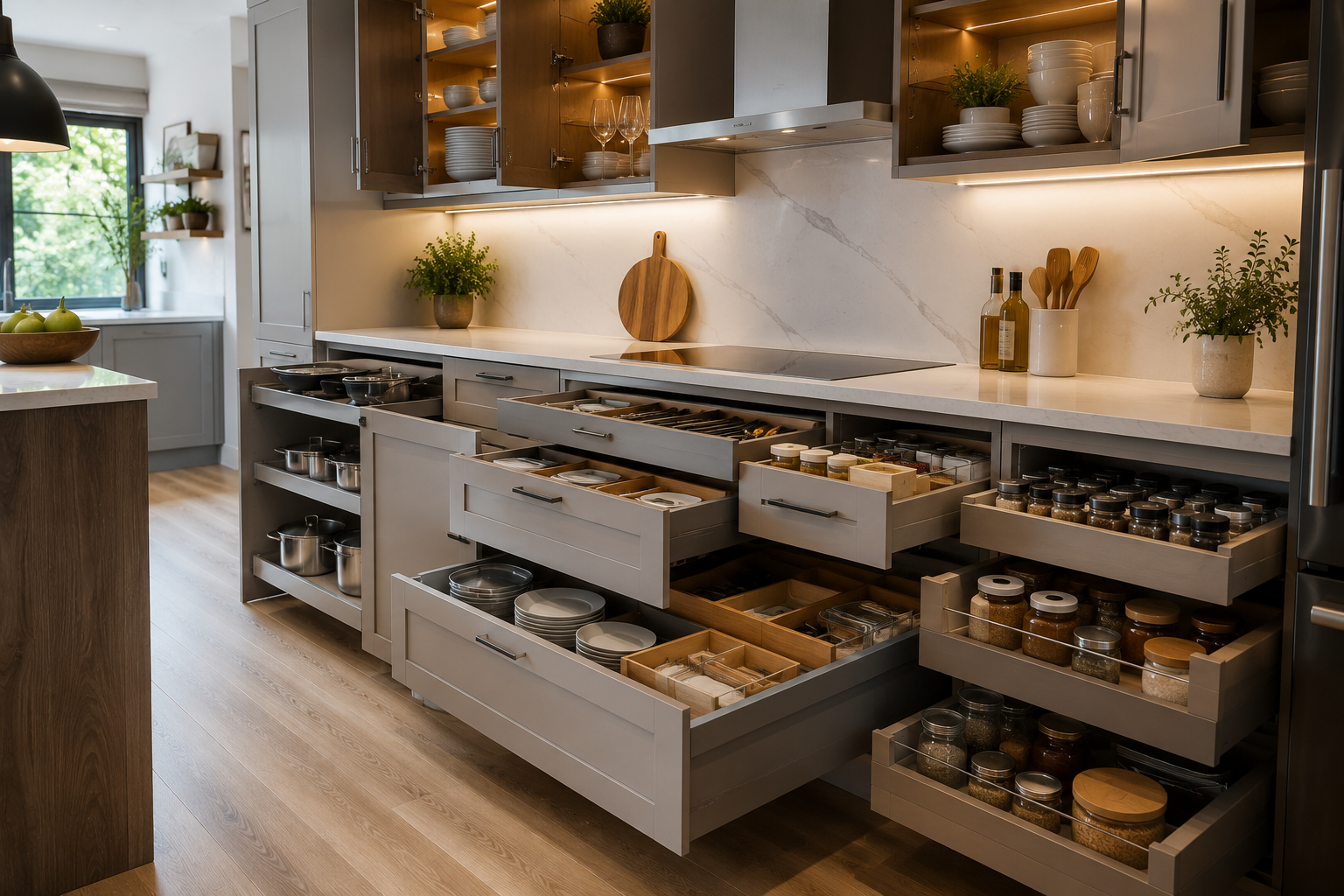
Take advantage of the renovation to improve interior storage as well. Deep drawers, dividers, pull-out shelves and solutions designed for corner cabinets can make everyday items easier to reach and help maximize the available space.
Before changing the kitchen layout, think about how you move between the refrigerator, sink, food-preparation surfaces and cooking area. A well-planned kitchen should be comfortable and efficient to use—not simply attractive.
4. Update Kitchen Hardware and Faucets
Handles, knobs, hinges and faucets may be relatively small details, but they can have a significant impact on the overall appearance of a kitchen.
Replacing outdated hardware is a relatively simple way to refresh existing cabinets. Longer handles may also be easier to grip, while soft-close hinges can improve everyday comfort and convenience.
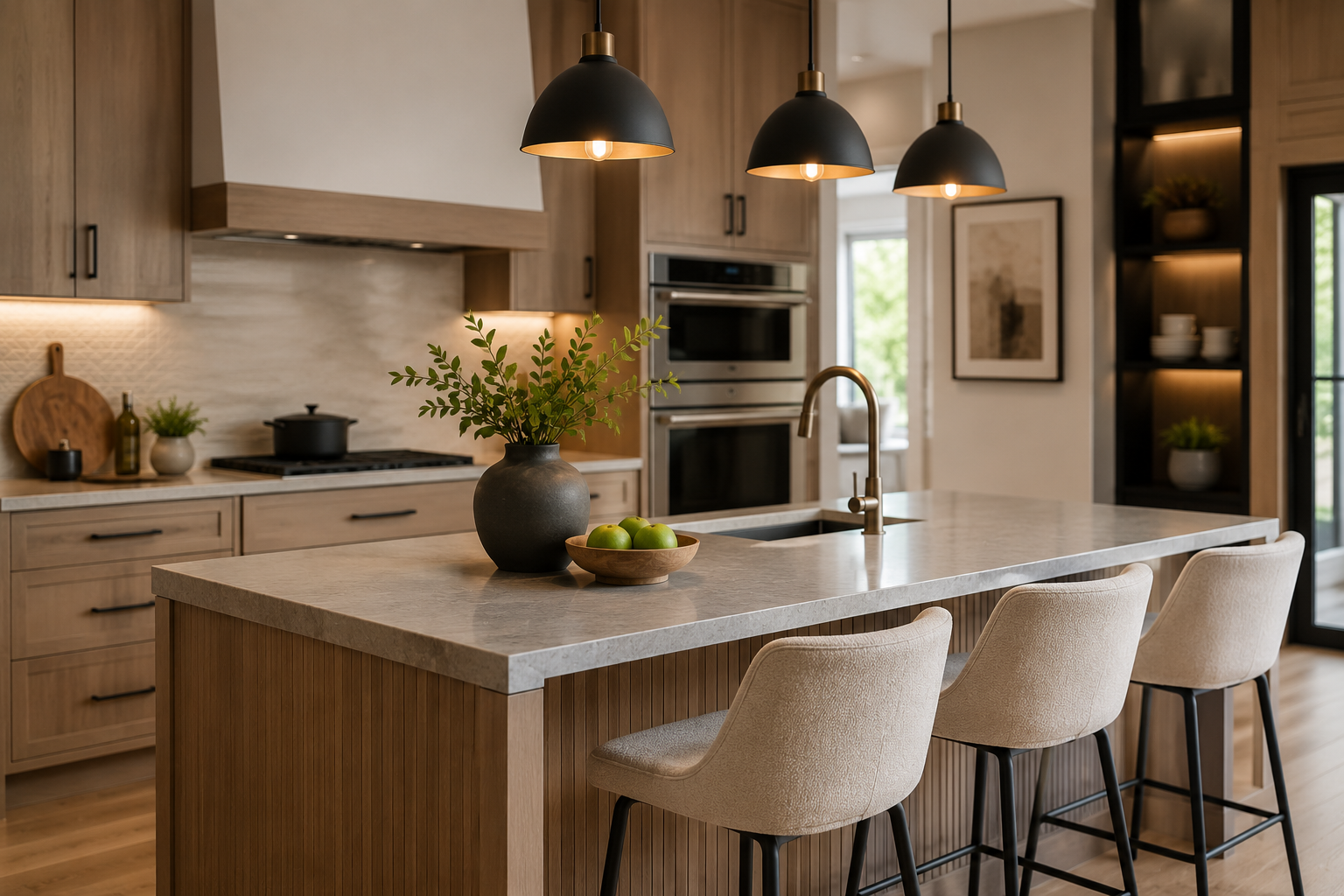
Replacing the faucet can also quickly update the sink area. Before selecting a model, check its height, reach and installation requirements, as well as the available space around the sink and beneath any upper cabinets.
For a cohesive look, choose finishes that complement the lighting, appliances and other elements in the kitchen without necessarily trying to match everything perfectly.
5. Choose Appliances That Fit the Space and Your Needs
Appliances play an essential role in how a kitchen functions and can directly influence its layout. Before purchasing new appliances, take precise measurements and verify the clearances required for doors, ventilation and connections.
Refrigerators, ranges and dishwashers can vary considerably in size. When planning a complete kitchen renovation, it is therefore preferable to select the appliances before finalizing the cabinetry.
Consider your lifestyle as well. A large family, someone who cooks frequently and a couple who primarily uses the kitchen for simple meals may have very different needs.
Energy efficiency, noise levels, ease of maintenance and genuinely useful features should also be part of the decision. A newer appliance may offer improved performance, but there is no need to replace an appliance simply because of its age if it still works well and meets your household’s needs.
Think About the Overall Kitchen Layout Before Renovating
Even when the planned improvements seem primarily cosmetic, it is worth considering the kitchen as a whole before beginning the work. Replacing cabinets, adding a kitchen island or relocating appliances can affect circulation, lighting, plumbing and electrical systems.
Before changing the layout, consider how the people in your household actually use the kitchen. Is it mainly used for preparing meals, entertaining, working or gathering as a family? Storage needs, countertop space and seating requirements can vary considerably from one household to another.
A well-planned kitchen should allow people to move comfortably between its main work areas while maintaining sufficient clearance around countertops, the island and appliances. Materials and colors matter, but they should always support the functionality of the room.
🏡 Building a New Home?
If you’re planning a new home rather than renovating an existing kitchen, some features are easier to incorporate from the very beginning.
👉 Discover 3 kitchen trends to consider for your future home for ideas you can integrate directly into your house plan.
When Do You Need a Renovation Plan for a Kitchen Remodel?
Simply replacing countertops, cabinet hardware or light fixtures generally does not require a new architectural plan. However, when a kitchen remodeling project changes the layout or affects other parts of the home, more detailed planning may be necessary.
A renovation plan can be particularly useful if you want to:
- move or remove a wall;
- expand the kitchen;
- modify doors or windows;
- create an open-concept living area;
- add a large kitchen island;
- rethink circulation between the kitchen, dining room and living room;
- build a home addition to create a larger kitchen.
Preparing a plan allows you to better visualize the new layout, coordinate the different components of the project and provide more precise information to the professionals and contractors involved in the work.
💬 Planning to Change Your Kitchen Layout?
The residential designers at Drummond House Plans can help you prepare a renovation or home addition plan tailored to your existing home, needs and project.
👉 Discover our renovation and home addition plan services.
A Renovated Kitchen Designed for Everyday Life
A successful kitchen renovation does not necessarily depend on how much you spend or on replacing every element in the room. Carefully selected upgrades can sometimes be enough to make a kitchen brighter, more functional and more enjoyable to use.
Countertops, lighting, ventilation, cabinets, hardware, faucets and appliances should be selected with the desired style in mind—but, above all, according to the habits and needs of the people who use the kitchen.
By planning the renovation as a whole and giving as much consideration to circulation, storage and layout as to materials and finishes, you can create a more harmonious kitchen that is better suited to everyday life.